Pages

Tuesday, 4 June 2013

What Are in the Protein Foods Group

What Foods Are in the Protein Foods Group?

bowl of stewAll foods made from meat, poultry, seafood, beans and peas, eggs, processed soy products, nuts, and seeds are considered part of the Protein Foods Group. Beans and peas are also part of the Vegetable Group. For more information on beans and peas, see Beans and Peas Are Unique Foods.
Select a variety of protein foods to improve nutrient intake and health benefits, including at least 8 ounces of cooked seafood per week. Young children need less, depending on their age and calorie needs. The advice to consume seafood does not apply to vegetarians. Vegetarian options in the Protein Foods Group include beans and peas, processed soy products, and nuts and seeds. Meat and poultry choices should be lean or low-fat.

View Protein Foods Gallery

Commonly eaten protein foods

  • Meats*


    Lean cuts of:

    • beef
    • ham
    • lamb
    • pork
    • veal

    Game Meats

    • bison
    • rabbit
    • venison

    Lean Ground Meats

    • beef
    • pork
    • lamb

    Lean luncheon or deli meats


    Organ Meats

    • liver
    • giblets

    Poultry*

    • chicken
    • duck
    • goose
    • turkey
    • ground chicken and turkey

    Eggs*

    • chicken eggs
    • duck eggs

    Beans and Peas

    • bean burgers
    • black beans
    • black-eyed peas
    • chickpeas (garbanzo beans)
    • falafel
    • kidney beans
    • lentils
    • lima beans (mature)
    • navy beans
    • pinto beans
    • soy beans
    • split peas
    • white beans

    Processed Soy Products

    • tofu (bean curd made from soybeans)
    • veggie burgers
    • tempeh
    • texturized vegetable protein (TVP)
  • Nuts and Seeds*

    • almonds
    • cashews
    • hazelnuts (filberts)
    • mixed nuts
    • peanuts
    • peanut butter
    • pecans
    • pistachios
    • pumpkin seeds
    • sesame seeds
    • sunflower seeds
    • walnuts

    Seafood*


    Finfish such as:

    • catfish
    • cod
    • flounder
    • haddock
    • halibut
    • herring
    • mackerel
    • pollock
    • porgy
    • salmon
    • sea bass
    • snapper
    • swordfish
    • trout
    • tuna

    Shellfish such as:

    • clams
    • crab
    • crayfish
    • lobster
    • mussels
    • octopus
    • oysters
    • scallops
    • squid (calamari)
    • shrimp

    Canned fish such as:

    • anchovies
    • clams
    • tuna
    • sardines

*Selection Tips

  • Choose lean or low-fat meat and poultry. If higher fat choices are made, such as regular ground beef (75 to 80% lean) or chicken with skin, the fat counts against your maximum limit for empty calories (calories from solid fats or added sugars).
  • If solid fat is added in cooking, such as frying chicken in shortening or frying eggs in butter or stick margarine, this also counts against your maximum limit for empty calories (calories from solid fats and added sugars).
  • Select some seafood that is rich in omega-3 fatty acids, such as salmon, trout, sardines, anchovies, herring, Pacific oysters, and Atlantic and Pacific mackerel.
  • Processed meats such as ham, sausage, frankfurters, and luncheon or deli meats have added sodium. Check the Nutrition Facts label to help limit sodium intake. Fresh chicken, turkey, and pork that have been enhanced with a salt-containing solution also have added sodium. Check the product label for statements such as “self-basting” or “contains up to __% of __”, which mean that a sodium-containing solution has been added to the product.
  • Choose unsalted nuts and seeds to keep sodium intake low.


is it Important to Eat Fruits

Why is it Important to Eat Fruit?

Eating fruit provides health benefits — people who eat more fruits and vegetables as part of an overall healthy diet are likely to have a reduced risk of some chronic diseases. Fruits provide nutrients vital for health and maintenance of your body.
  • Fruit basket
    Healthy Diet

    Health Benefits

    • Eating a diet rich in vegetables and fruits as part of an overall Healthy diet may reduce risk for heart disease, including heart attack and stroke.
    • Eating a diet rich in some vegetables and fruits as part of an overall healthy diet may protect against certain types of cancers.
    • Diets rich in foods containing fiber, such as some vegetables and fruits, may reduce the risk of heart disease, obesity, and type 2 diabetes.
    • Eating vegetables and fruits rich in potassium as part of an overall healthy diet may lower blood pressure, and may also reduce the risk of developing kidney stones and help to decrease bone loss.
    • Eating foods such as fruits that are lower in calories per cup instead of some other higher-calorie food may be useful in helping to lower calorie intake.
  • Grapefruit

    Nutrients

    • Most fruits are naturally low in fat, sodium, and calories. None have cholesterol.
    • Fruits are sources of many essential nutrients that are underconsumed, including potassium, dietary fiber, vitamin C, and folate (folic acid).
    • Diets rich in potassium may help to maintain healthy blood pressure. Fruit sources of potassium include bananas, prunes and prune juice, dried peaches and apricots, cantaloupe, honeydew melon, and orange juice.
    • Dietary fiber from fruits, as part of an overall healthy diet, helps reduce blood cholesterol levels and may lower risk of heart disease. Fiber is important for proper bowel function. It helps reduce constipation and diverticulosis. Fiber-containing foods such as fruits help provide a feeling of fullness with fewer calories. Whole or cut-up fruits are sources of dietary fiber; fruit juices contain little or no fiber.
    • Vitamin C is important for growth and repair of all body tissues, helps heal cuts and wounds, and keeps teeth and gums healthy.
    • Folate (folic acid) helps the body form red blood cells. Women of childbearing age who may become pregnant should consume adequate folate from foods, and in addition 400 mcg of synthetic folic acid from fortified foods or supplements. This reduces the risk of neural tube defects, spina bifida, and anencephaly during fetal development.


DISEASE OF CASHEW for more information log on to www.facebook.com/varunkrishnan.d

Its New tech nanology.......................


Get to know the secrets involved in jail breaking! Learn about Flashing and other interesting aspects!! PCB's Explained! Learn how to play with your's ;) Ball Grid Technology Unveiled! Uncover the basics of electronics and expand your learning horizon!

Thursday, 18 April 2013

http://cooking724.files.wordpress.com/2010/07/fruit.jpg
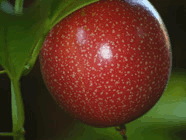
purple passion fruit golden yellow passion fruit1
Passion fruit. Note for oval shaped ripening fruit with smooth waxy surface and fine white specks. Golden yellow passion fruit. Note for thick rind. Inside view, showing pulpy juice with numerous tiny, dark brown or black, pitted seeds.


The passiflora plant requires well-drained fertile soil and good moisture to flourish. It grows quickly and reaches about 15-20 feet per annum once established. Its average life span is about 5-7 years.
Over five hundred cultivate types exist; however, two main type purple and yellow passion fruits are widely cultivated. During each season, the vine bears greenish-white fragrant flowers. The fruit features round to oval shape, 4 to 8 centimeters in diameter, have a tough shell mangosteen-like rind. Average weight is about 35-50 g.
Inside, the fruit consists of membranous sacs containing light orange-colored, pulpy juice with numerous small, hard, dark-brown or black, pitted seeds. Yellow passions are generally larger than the purple varieties, but the pulp of the purple fruit is less acid, richer in aroma and flavor, and has a higher proportion of juicy pulp.

Health benefits of passion fruit

  • Delicious, passion fruit is rich source of antioxidants, minerals, vitamins and fiber. 100 g fruit contains about 97 calories.
  • The fruit is a very good source of dietary fiber. 100 g fruit pulp contains 10.4 g or 27% of fiber. Good fiber in the diet helps remove cholesterol from the body. In addition dietary insoluble fiber by acting as a bulk laxative helps protect the colon mucous membrane by decreasing exposure time to toxic substances in the colon as well as binding to cancer-causing chemicals in the colon.
  • Passion fruit is good in vitamin C, providing about 30 mg per 100 g. Vitamin-C (ascorbic acid) is a powerful water soluble anti-oxidant. Consumption of fruits rich in vitamin C helps the body develop resistance against flu-like infectious agents and scavenge harmful, pro-inflammatory free radicals.
  • The fruit contains very good levels of vitamin-A (provides about 1274 IU per 100 g), and flavonoid antioxidants such as β-carotene and cryptoxanthin-β. Current research studies suggest that these compounds have antioxidant properties, and along with vitamin A are essential for good eye-sight.
  • Vitamin A is also required maintaining healthy mucus membranes and skin. Consumption of natural fruits rich in vitamin-A, and flavonoids helps to protect from lung and oral cavity cancers.
  • Fresh granadilla is very rich in potassium. 100 g fruit pulp has about 348 mg of potassium. Potassium is an important component of cells and body fluids, and helps regulate heart rate and blood pressure.
  • Furthermore, granadilla is a very good source of minerals. Iron, copper, magnesium and phosphorus are present in adequate amounts in the fruit.

Fruit nutrition facts

                           Welcome to the fruit nutrition . http://healthyhappyfitlife.com/wp-content/uploads/2013/03/fresh-fruits-vegetables-2419.jpg

Why fruits?

Fruits are nature’s wonderful medicines packed with vitamins, minerals, anti-oxidants and many phyto-nutrients (Plant derived micronutrients). They are an absolute feast to our sight, not just because of their color and flavor but their unique nutrition-profile that help the body stay fit and healthy!
  1. Fruits are low in calories and fat and are a source of simple sugars, fiber, and vitamins, which are essential for optimizing our health.
  2. Fruits provide plenty of soluble dietary fiber, which helps to ward of cholesterol and fats from the body and to get relief from constipation as well.
  3. Fruits contain many anti-oxidants like poly-phenolic flavonoids, vitamin-C, and anthocyanins. These compounds, firstly, help human body protected from oxidant stress, diseases, and cancers, and secondly; help the body develop capacity to fight against these ailments by boosting our immunity level. Many fruits, when compared to vegetables and cereals, have very high anti-oxidant value, which is something measured by their "Oxygen Radical Absorbent Capacity" or (ORAC).
  4. Anthocyanins are flavonoid category of poly-phenolic compounds found in some "blue-fruits" like blue-black grapes, mulberries, acai berry, chokeberry, blueberries, blackberries, and in many vegetables featuring blue or deep purple color. Eating fruits rich in blue pigments offers many health benefits. These compounds have potent anti-oxidant properties, remove free radicals from the body, and thus offer protection against cancers, aging, infections, etc. These pigments tend to concentrate just underneath the skin.
  5. Fruit’s health benefiting properties are because of their richness in vitamins, minerals, micro-nutrients, anti-oxidants, which helps the body prevent or at least prolong the natural changes of aging by protecting and rejuvenating cells, tissues and organs. Their overall benefits are manifold! Fruit nutrition benefits are infinite! You are protecting yourself from minor ailments like wrinkling of skin, hair-fall, and memory loss to major ailments like age-related macular degeneration (AMRD) of the retina in the eyes, Alzheimer’s disease, colon cancers, weak bones (osteoporosis)…etc., and the list of fruit nutrition benefits never ends!

Health benefits of banana fruit


banana fruits
banana bunches
Banana (Musa acuminata colla).
Raw mature banana put for sale in a market. Photo courtesy: tanbis19


Banana is a perennial herbaceous plant that develops from the underground rhizome. It flourishes well under tropical moisture-rich, humid low-lying farmlands.
In fact, the whole plant is a false stem (pseudo-stem), consisting of broad leaves along with their petioles overlapping around each other in a circular fashion standing up to 2 to 6 meters tall from the ground surface depending upon the cultivar types. At maturity, the rhizome gives rise to flower (inflorescence) that is carried up on a long smooth nu-branched stem through the center of the pseudo-stem emerging out at the top in the center of the leaf cluster. The flower subsequently develops to hanging bunch consisting of 3 to 20 hands (tiers), each with at least 5-10 fingers (fruits) in each hand (tier). Banana plant or plantain bears hanging clusters of fruits as a bunch. Fruits are arranged in tiers, with 6-20 fruits in each tier.
banana plant
Banana plant.
There are several cultivars of banana grown with different size (4”-9”inch), color (yellow to brown), weight (70-150g) and taste. Structurally, fruit has a protective outer skin and delicious, sweet and tart, creamy-white color edible flesh inside.
Plantains are other cultivar types, more often used as cooking bananas. They are closely related to the familiar fruit banana or dessert banana. Plantains are used as a staple diet in Thailand, Laos, and other Southeast Asian as well as in many parts of tropical African and Caribbean regions.

Health benefits of banana fruit

  • Banana fruit is one of the high calorie tropical fruits. 100 g of fruit provides 90 calories. Besides, it contains good amounts of health benefiting anti-oxidants, minerals, and vitamins.

  • Banana pulp is composed of soft, easily digestible flesh with simple sugars like fructose and sucrose that when eaten replenishes energy and revitalizes the body instantly; thus, for these qualities, bananas are being used by athletes to get instant energy and as supplement food in the treatment plan for underweight children.

  • The fruit contains a good amount of soluble dietary fiber (7% of DRA per 100 g) that helps normal bowel movements; thereby reducing constipation problems.

  • It contains health promoting flavonoid poly-phenolic antioxidants such as lutein, zea-xanthin, ß and α-carotenes in small amounts. These compounds help act as protective scavengers against oxygen-derived free radicals and reactive oxygen species (ROS) that play a role in aging and various disease processes.

  • It is also a very good source of vitamin-B6 (pyridoxine), provides about 28% of daily-recommended allowance. Pyridoxine is an important B-complex vitamin that has a beneficial role for the treatment of neuritis, and anemia. Further, it helps decrease homocystine (one of the causative factors in coronary artery disease (CHD) and stroke episodes) levels within the body.

  • The fruit is an also moderate source of vitamin-C (about 8.7 mg per 100g). Consumption of foods rich in vitamin-C helps the body develop resistance against infectious agents and scavenge harmful oxygen-free radicals.

  • Fresh bananas provide adequate levels of minerals like copper, magnesium, and manganese. Magnesium is essential for bone strengthening and has a cardiac-protective role as well.  Manganese is used by the body as a co-factor for the antioxidant enzyme, superoxide dismutase. Copper is required in the production of red blood cells.

  • Fresh banana is a very rich source of potassium. 100 g fruit provides 358 mg potassium. Potassium is an important component of cell and body fluids that helps control heart rate and blood pressure, countering bad effects of sodium